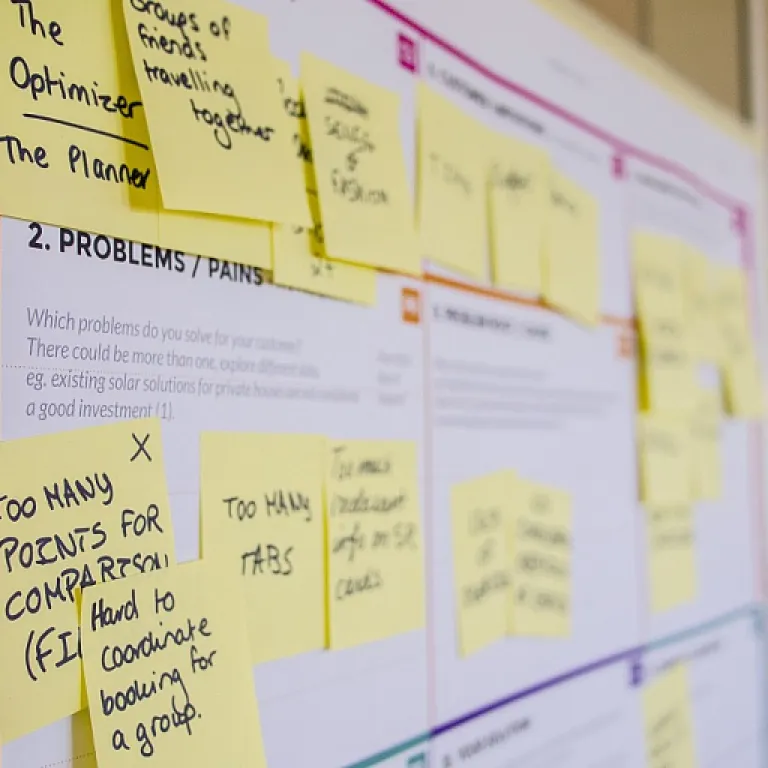
Understanding the evolving role of AI in digital media marketing
AI as a Catalyst for Digital Media Transformation
The integration of artificial intelligence into digital media marketing has intensified, reshaping how organizations approach lead generation and customer engagement. AI-driven solutions empower marketing directors by automating processes, extracting actionable insights from data, and enabling sophisticated personalization that was once unmanageable at scale. As digital channels proliferate and consumer behaviors evolve, AI is positioned as a crucial strategic asset, not just a technical upgrade.
Shifting from Manual Efforts to Intelligent Automation
Historically, lead generation relied on manual data segmentation, intuition-based targeting and generalized outreach—methods that lack precision and speed. Today, AI automates the identification of high-quality leads through advanced analytics and machine learning models. These technologies continuously learn from interactions across channels, ensuring marketing teams invest efforts in audiences most likely to convert. This allows for smarter allocation of resources and higher ROI, while minimizing the risk of human error and bias.
The Intersection of Data, Content, and Lead Quality
Data is at the heart of AI’s evolving role. With an ever-increasing volume of touchpoints—from social platforms to email and programmatic advertising—AI-enabled platforms process vast, complex datasets to identify patterns often invisible to human analysts. Using these insights, marketing directors can direct content strategies that more accurately address customer pain points and decision triggers. The result is dynamic segmentation and real-time content adjustment, which strengthen lead nurturing strategies downstream.
Establishing a Future-Ready Marketing Foundation
The competitive edge in digital media now hinges on implementing, managing, and evolving AI-powered infrastructures. Building this foundation requires a clear understanding of the business’s unique lead generation pipeline and a roadmap for ethical, privacy-conscious adoption of AI technologies. As marketing directors move forward, focusing on robust AI management, scalable personalization, and transparent analytics will be key themes explored in practical terms throughout this guide.
Building effective AI-powered lead generation pipelines
Developing an Intelligent Lead Capture System
Creating an effective AI-powered lead generation pipeline begins with establishing smart lead capture systems. Integrating conversational AI, such as chatbots and virtual assistant tools, enables real-time engagement with potential clients. These IA digital media solutions use natural language processing to collect lead data, answer queries, and guide users through tailored journeys, increasing the quantity and quality of leads. Smart forms can further optimize AI for marketing by dynamically adjusting questions based on user responses, which eliminates friction and ensures marketers collect relevant customer data for personalized follow-up.Automated Lead Scoring and Routing
Utilizing machine learning models for lead scoring can drastically improve leadgen with IA. AI evaluates behavioral and demographic signals—such as engagement with content, email interactions, or purchase readiness—to assign scores and prioritize leads for sales outreach. This automated scoring process helps marketing teams focus resources on the highest-value prospects. Sophisticated agent AI systems can then route high-priority leads to the right teams or nurture them through targeted campaigns. By connecting AI platforms to your CRM and marketing automation tools, seamless lead handoff and follow-up becomes possible, minimizing delays and leakages in the pipeline.Continuous Optimization of the Pipeline
The most effective AI-driven pipelines don’t run on autopilot. They require continuous performance tracking and refinement. Using AI-powered analytics, marketers can:- Identify drop-off points in the user journey
- Adjust messaging based on real-time engagement data
- Test different acquisition channels for ROI improvement
- Iterate landing page experiences for higher conversions
Ensuring Data Quality
Successful AI-powered lead generation relies on clean, structured data. Integrating data cleansing and enrichment steps into the pipeline helps improve the accuracy of personalization engines and lead scoring algorithms. Use trustworthy sources and regularly audit for duplicates and irrelevant entries. This not only enhances campaign results, but also contributes to data privacy compliance, which is crucial in today's marketing ecosystem. By focusing on robust data foundations, marketing directors can align their AI leadgen programs with both business goals and industry standards, positioning digital media campaigns for sustainable, scalable growth.Selecting and managing agent AI tools for marketing teams
Identifying the Right AI-Powered Tools for Your Marketing Team
Choosing Artificial Intelligence-powered tools to enhance lead generation for digital media and marketing requires a clear evaluation process. With a rapidly evolving landscape, marketing directors need to prioritize tools that not only integrate with existing workflows but also offer robust automation and analytics features. Solutions that provide capabilities like predictive lead scoring, intelligent chatbots, and campaign optimization algorithms can elevate your lead generation funnel, making your outreach more targeted and efficient.
- Integration Capabilities: Ensure compatibility with your CRM, email marketing, and analytics platforms.
- Automation Features: Look for tools offering end-to-end automation, from capturing leads to nurturing them through personalized content and tailored interactions.
- Predictive Intelligence: Select systems that employ advanced machine learning for deeper segmentation and audience insights, directly impacting lead quality.
- User Interface and Ease of Adoption: Opt for agent AI solutions with intuitive dashboards and minimal learning curves to ensure quick adoption and ROI.
Strategically Managing Your AI Leadgen Ecosystem
Once the right tools are in place, setting up effective governance and workflow management is critical. Assign clear ownership roles within your marketing team for each tool and align them around your KPIs. This ensures not only smooth daily operation but also long-term scalability as needs evolve.
Data handling and compliance should be integrated into daily management. Look for AI-powered lead generation products that are transparent about how they process and store data, supporting compliance with evolving regulations. Regular audits of the agent AI's decision-making process can help maintain ethical standards and avoid unwanted bias in automated targeting or lead scoring.
- Training and Onboarding: Schedule regular upskilling workshops as new capabilities are released.
- Cross-Functional Collaboration: Foster collaboration between IT, compliance, and marketing stakeholders to support seamless tool operation and legitimate use of data.
- Continuous Evaluation: Leverage analytics dashboards to review performance and adapt strategies as the digital landscape shifts.
When integrating leadgen with AI and AI for marketing, it is essential to select solutions grounded in verifiable results and well-documented methodologies. Third-party reviews, user testimonials, and published case studies from reputable sources can add assurance and guide informed decision-making (Gartner, 2024).
Personalization at scale: Using AI to tailor campaigns
Turning Audience Insights into Hyper-Personalized Campaigns
The digital media landscape demands more than just audience segmentation—it calls for deep, nuanced personalization to truly engage prospects. Thanks to advancements in AI marketing, marketing directors now have the ability to analyze vast datasets and create unique customer journeys at scale. Effective personalization goes well beyond including a prospect’s first name in an email. AI can segment audiences by behavior, intent, engagement level, and even preferred content formats. This ensures messaging is contextually relevant, maximizing impact and boosting conversion rates.
- Dynamic Creative Optimization: Machine learning models evaluate real-time behavioral signals and context to dynamically adapt ad creatives and offers. For example, AI can adjust visuals, headlines, and calls to action based on whether the viewer has previously engaged with video content or downloaded a whitepaper.
- Automated Content Recommendations: Leadgen with AI tools can recommend content assets ideal for different stages of the funnel, increasing the likelihood prospects advance towards conversion. These recommendations are informed by AI-driven pattern recognition across historical campaign performance.
- Precision Campaign Timing: AI-powered systems identify the optimal times to deploy touchpoints, ensuring higher open and response rates. This can be particularly effective in multi-channel environments where coordination across email, social, and programmatic advertising is essential.
Balancing Automation and Authenticity
While leveraging AI for large-scale personalization unlocks new efficiencies, it’s crucial to keep communication authentic. Automated messaging should still reflect brand voice and values consistently across channels. Layering human-driven content strategy with AI-generated audience insights allows teams to maintain this balance. In practical terms, this means:
- Regularly auditing AI-generated outputs for tone, clarity, and brand consistency
- Training human reviewers to spot bias or irrelevant suggestions from AI systems
- Pairing AI personalization with genuine interaction options, like live chat agents that can step in for complex questions
Emerging agent AI platforms specifically designed for marketing make this easier. By integrating campaign data with customer relationship management (CRM) platforms and utilizing feedback loops, these systems enable continuous refinement of messaging. This leads directly to more relevant offers and a greater sense of individual attention—all while adhering to best practices in data privacy and compliance highlighted in other parts of the pipeline.
Personalization ROI: What to Watch
To truly maximize leadgen with AI strategies, track not only conversion rates, but engagement metrics like dwell time, content shares, and triggered responses. Deploying AI-powered personalization can reveal actionable patterns—such as which audience segments respond best to particular campaign elements—informing ongoing optimization efforts and strengthening the overall lead generation engine.
Overcoming data privacy and ethical challenges in AI-driven marketing
Balancing Innovation and Compliance in AI-Powered Marketing
When integrating agent AI and enhancing leadgen with AI in marketing, protecting data privacy and maintaining ethical standards are critical concerns. Digital media campaigns increasingly rely on vast datasets and sophisticated algorithms, making proactive risk management essential.Data Protection: Foundations and Best Practices
Effective use of AI, especially in {{ product_part }}, starts with robust data governance. Marketers should:- Ensure consent mechanisms are transparent and align with regional requirements like GDPR and CCPA
- Prioritize data minimization principles: only collect the necessary information for lead generation
- Implement protocols such as encryption and access controls to safeguard sensitive records
Addressing Algorithmic Bias and Fairness
As campaigns become more personalized through AI, the risk of unintended bias grows. To ensure fairness:- Regularly audit algorithms for discriminatory outcomes, especially when segmenting audiences or serving targeted ads
- Partner with technical teams to document and understand model decision criteria
- Adopt third-party evaluation frameworks to validate compliance and objectivity
Building Trust with Transparent Communication
Fostering trust is vital for any leadgen with AI strategy. Marketing directors should communicate clearly with consumers by:- Providing accessible privacy statements that explain how agent AI tools process and store data
- Offering opt-out options for AI-driven profiling or campaign personalization
- Regularly updating stakeholders on new policies or security enhancements
Measuring success: KPIs and analytics for AI-driven lead generation
Identifying the Right Metrics for AI-Driven Lead Generation
Successfully integrating AI into your digital media marketing means rethinking how you measure success. Traditional KPIs like click-through rates and conversion percentages are still important, but AI-driven strategies demand deeper, more granular insights. By aligning measurement with the capabilities of AI, marketing directors can capture not just quantity, but quality and efficiency throughout the lead generation funnel.
- Lead Quality Scores: AI-enhanced tools can automatically evaluate and segment leads based on fit, engagement behavior, and predictive purchasing intent, giving you a dynamic sense of lead value over time.
- Pipeline Velocity: Measure how quickly leads move from initial point of contact through the funnel. AI’s impact can be tracked through reduced cycle times and improved conversion rates at each stage.
- Attribution Accuracy: Machine learning models offer more precise multi-touch attribution, clarifying which channels, messages, and touchpoints had the greatest influence on lead acquisition and nurturing.
- Personalization Lift: Monitor changes in engagement and conversion rates on AI-personalized campaigns versus standard campaigns to quantify the impact of AI-driven tailoring at scale.
- Cost per Acquisition (CPA) Reduction: Compare new CPA metrics before and after deploying AI. Well-chosen agent AI solutions often drive down the cost by optimizing budget allocation and automating low-value tasks.
Best Practices for Analytics Implementation
To fully realize the value of AI in lead generation, marketing teams must integrate analytics platforms and dashboards that track metrics in real-time and relate them back to business objectives. Consider the following strategies:
- Deploy custom dashboards tailored to your AI-powered funnels, ensuring your team can monitor lead flow and quality at every touchpoint.
- Employ cohort analysis to compare performance before and after implementing AI-driven tactics, isolating the incremental value delivered by {{ product_part }} and other solutions.
- Regularly audit your data inputs and algorithms to avoid bias, maintain data privacy compliance and ensure that your metrics reflect true performance improvements, rather than changes in tracking or attribution models.
Continuous Optimization for Better Outcomes
AI is not a static solution—it learns and improves over time. Marketing directors should foster a feedback loop, using insights from lead quality, pipeline velocity, and personalized campaign performance to refine both their strategies and tool configurations. Iterative testing, when paired with comprehensive metrics and analytics, supports scalable growth and adaptability in an ever-changing digital marketing landscape.
